This is default featured slide 1 title

Go to Blogger edit html and find these sentences.Now replace these sentences with your own descriptions.

This is default featured slide 2 title

Go to Blogger edit html and find these sentences.Now replace these sentences with your own descriptions.

This is default featured slide 3 title

Go to Blogger edit html and find these sentences.Now replace these sentences with your own descriptions.

This is default featured slide 4 title

Go to Blogger edit html and find these sentences.Now replace these sentences with your own descriptions.

This is default featured slide 5 title

Go to Blogger edit html and find these sentences.Now replace these sentences with your own descriptions.

Tampilkan postingan dengan label cracks. Tampilkan semua postingan

Senin, 16 Agustus 2021

Cracks In Walls And Ceilings Causes

There can be a huge number of different reasons for cracks in the home. Leaky windows and roofs can cause moisture to get into your homes walls.


Solved What Cracks In The Ceiling Really Mean Repair Ceilings Home Repair Ceiling Repair

The causes of wall cracks.

Cracks in walls and ceilings causes. Heres how to telland fix them. In the majority of cases small hairline cracks in walls ceilings and plaster can be a sign of simple expansion and contraction movement within your home due to humidity temperature and the way that 100 different materials in your home react to this all expanding and. Cover the Damage with Joint Compound.

The stress released by the shrinking process causes the cracks. 2 New homes are plagued with shrinkage cracks due to the wood used in construction shrinking causing settlement cracks. Stucco or render is a construction material made of aggregates a binder and waterStucco is applied wet and hardens to a very dense solid.

If the cracks are small there isnt much to worry about. A large number of homes have cracks in their foundation and the older a home gets the more likelihood of cracks appearing. Long horizontal cracks that extend along the joints where interior partition walls and upstairs ceilings connect generally signify roof truss issues which cause ceilings to detach from walls.

Most wall cracks can be remedied by re-taping drywall joints. However if they are more than 116 inch wide there could be a larger structural problem at stake. Plasterwork is construction or ornamentation done with plaster such as a layer of plaster on an interior or exterior wall structure or plaster decorative moldings on ceilings or walls.

These cracks are a normal part of home settling and can occur in ceilings walls and even floors. Ready-mixed compound tends to add too much moisture to the surface and can induce bubbling in the finish. As it dries the concrete begins to shrink.

So you need to know how to spot those. Thin spiderweb cracks in the ceiling plaster or paint are probably nothing to worry about. It is used as a decorative coating for walls and ceilings exterior walls and as a sculptural and artistic material in architecture.

Discoloration sagging drywall or buckling plaster and dripping water from your ceiling might make you think that the ceiling itself is leakingIn reality water coming from the ceiling is a symptom of some other home system that is actually leaking. Most small cracks in drywall or plaster walls are not serious and are caused by seasonal expansion and contraction of the wood framing in your house over time. Causes of Ceiling Cracksand How to Fix Them.

Because of this movement a certain number of cracks in ceilings and walls are to be expected and usually nothing to worry about. The roofing system or the. This movement causes cracks mostly at the location of the plasterboard joints.

These cracks are serious and require professional attention. Theyre often found at the corners of window and door frames and can be patched using spackling or joint compound. Other horizontal cracks in walls may be caused by the pressure of a failing wall or indicative of load bearing problems and are a safety concern.

However some cracks indicate a serious structural problem. How to Know When Ceiling Cracks Are Structural or Just Old. Cracked foundations can lead to framing issues roof issues problems with doors and windows and even leaks in basement walls.

This can help you head off cracks in the foundation by knowing what to expect in such circumstances. Do cracks in my walls indicate a structural problem-Rachel. When a ceiling shows signs of water damage and dripping water the place to look is in one of two home systems.

It also provides price estimates to patch chips and fill cracks in your drywall or Sheetrock. While many causes for foundation cracking have been illustrated above it is useful to know the common weather and environmental phenomena that result in such damage. If the surface you are dealing with has a chronic bubbling problem or you are repairing bubbling in fresh paint using setting-type joint compound also called mud for this repair will minimize the chance of the blisters recurring.

Homes naturally settle as they age which can create crevices in the walls and ceilings typically above doors and windows as well as in corners. This causes the drywall to get wet soften and deteriorate which then leads to cracking. If you find cracks in the concrete of your basement dont panic.

Cracks in newly built houses can appear not only on the ceilings but walls to. If the cracks in your walls are showing discoloration such as brown or yellow tinted stains then the problem may be the result of water damage to your home. Look for sagging ceilings and bowed walls The above items can be an indication that a structural issues may exist depending on the location and severity.

Tracking down the cause or causes of wall cracks is the first step in making any assessment as to the seriousness and cost of repairing wall cracks. These cracks are part of the natural drying process for concrete. What Causes Cracks in a Concrete Slab Foundation.

This is also sometimes called pargetingThe process of creating plasterwork called plastering or rendering has been used in building construction for centuries. Sometimes though cracks in walls signify a larger problem. HomeAdvisors Drywall Repair Cost Guide provides the average cost per square foot to have small and large holes fixed by a contractor or handyman vs DIY.

If so some of these issues may need to be addressed to help keep the drywall cracks from coming back. Small cracks located above interior windows or doors are usually harmless. Settlement cracks in outer cavity wall of property.

When it comes to spider web cracks size is important. All buildings regardless of when or where they were built and with what material are subject to.

Selasa, 03 Agustus 2021

Causes Of Cracks In Ceiling

If your cracks are larger than 116 inch wide then they are a sign of structural issues. The most common reason for ceiling cracks is moisture and frankly that is normal also.


How To Repair Corroded Rc Ceiling Plaster Of A Building Repair Concrete Ceiling Ceiling

Cracks can even be caused by your new roof.

Causes of cracks in ceiling. So is it just a cosmetic problem associated with the structures age or something more. The tape may not be sticking to the drywall and so a crack appears where the edge of the tape is. Poor workmanship is the most common cause of early cracks in a ceiling specifically if inferior technique was involved in building the ceiling.

Perhaps the gutter system is. The crack can be either along the joist or to one side of the joist. Cracks that cause concern are those which run across the length of a ceiling and then continue down a wall along the same line.

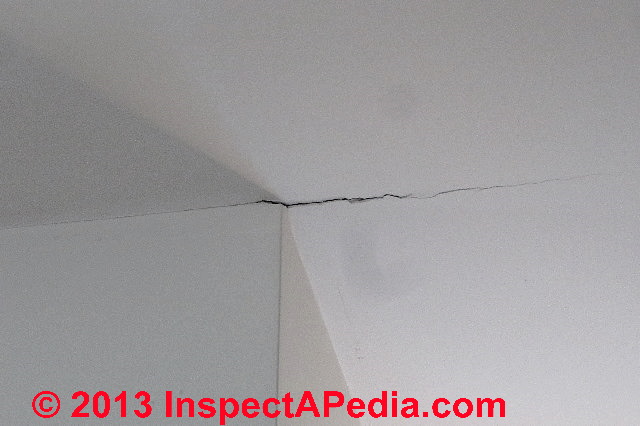
Age of Your Home As homes age they settle and shift which often causes cracks in walls and ceilings. How do you know if a ceiling crack is serious. Causes Of Ceiling Cracks And When To Worry Types of ceiling cracks.

Common causes include. In the first few years after a new home is constructed the soil underneath the foundation continues to settle. Gravity works on the structure and the foundation of the house and slight shifts happen.

All buildings wood concrete steel or something else move. See FOUNDATION CRACKS DAMAGE GUIDE. Learning More About Ceiling Cracks.

Foundation cracks may be a sign of structural damage. These cracks are always caused by a serious overload above the crack. High soil water content drainage difficulties and freezing climate explain this damage.

These cracks make it more possible for water to leak through. At above right you can see the corresponding crack in masonry block foundation supporting the building walls. Matching vertical cracks are a sign of serious structural damage.

If you see cracks along with sagging contact a professional immediately. This is a sign of. These cracks can be caused when a drywall joint wasnt properly taped or mudded.

Quite often ceiling cracks are caused by age or leaks in the roof or internal plumbing leaks or sometimes in the case of multi-story structures excess weight on the floors above. It is recommended to find the source of the moisture and eliminate the problem. Cracks in drywall can be caused by truss uplift or vibrations from an appliance such as a ceiling fan.

Natural aging and structural damage. Even though they look. House settling and temperature or moisture fluctuations in an attic which result in the expansion or contraction of framing members.

In older homes with plaster ceilings movement and moisture may create cracks. In such cases adjusting application techniques and plaster mix can help minimize future cracking. Spacing of ceiling joists or trusses If the ceiling joists or trusses supporting the ceiling drywall are spaced too.

Moisture on the floor above the ceiling can also cause cracking. Damaged ceiling joists or. Typically plaster ceiling cracks have two causes.

Cracks in the ceiling have two causes. Moisture often times is the result of improper water drainage. Cracks can occur due to problems that are difficult to rectify such as uneven distribution of load.

Bathrooms especially are very heavy. These are usually caused by a weakness in the ceiling joists or sometimes even a failure in the joist support in the walls. You can either ignore this or apply a small bit of drywall compound to the loose tape and stick it back on.

The following are some of the most common reasons for cracks to start forming in historic plaster ceilings. Ceiling cracks can also be caused by something heavy on the floor or in the attic above the ceiling. By examining the location and type of crack that has occurred you might get a better idea of its cause.

This cracking was caused by differential frost heaving. If your ceilings are plastered cracks are often attributable to weathering of the plaster. Your home can produce many types of leaks that cause water damage to ceilings including roof leaks and leaks from plumbing.

A crack with a bowed ceiling. In some cases the cracks could indicate a serious problem that needs correction. Improperly sized ceiling joist When the ceiling joists or trusses are undersized for the drywall ceiling weight that.

Likewise what causes cracks in ceiling paint. Other external factors such as accidents and forces of nature can also lead to the formation of cracks.

Rabu, 30 Juni 2021

How To Fill Cracks In Plaster Ceiling


Plaster Repair For Diyers No Need To Rip It Out Old Town Home Plaster Repair Repairing Plaster Walls Diy Home Repair

Minggu, 30 Mei 2021

How To Fix Cracks In Ceiling Drywall

Put a sheet of plastic down under the drywall crack. A crack of a 16th of an inch or larger that runs at a diagonal angle through a sheets of drywall requires a lot of force to create this crack.


Pin On Home

Apply mesh tape over the crack.

How to fix cracks in ceiling drywall. Heres how to go about it. Drywall Ceiling Repair for Large Holes. Then the plastic sheet lay.

Ceiling cracks running diagonally across the ceiling. Apply Drywall Jointing Compound. At first select the crack area.

It would help if you had a ladder or table which helped you reach the ceiling. Wear a dust mask. Its like the drywall is ripped apart.

See below for a shopping list and toolsSUBSCRIBE to This Old. Drywall Hairline Cracked Damaged Area Sanding Sand the scraped area with the help of 100 to 120 grit sandpaper until there is no peeling paint or loose texture. Cut a rectangle around the.

A small tub of premixed drywall mud is necessary for filling the cracks and using mesh or paper drywall tape. Plaster dust will be produced when you clean out the cracks sand down the surfaces and when you mix dry powder with water. How to Repair Cracks and Holes in Drywall Surface Crack Repair.

If the crack extends through the seams paper tape or if the tape has pulled loose from the wall use. Fill up the Crack Caulk gun broad knife and putty knife. Remove any damaged material and remove or replace the original screw.

A crack is also considered deep when the tape is pulled from the wall surface. Next apply a thin coat of drywall. If you are intending to repair the cracks in your ceiling or replace the drywall sheets then there are a few safety considerations you must follow.

Sand away any loose paint and drywall. Once the crack is clean and sanded you should apply a layer of drywall jointing compound to the crack. This type of crack generally would be considered a red flag depending on width length and location.

As opposed to a surface crack a deep ceiling drywall crack pierces through the paper that covers the seams. A tip of the hat to Lynda for her blog post Fix Ceiling Cracks for Good for confirming my hunch that caulk could be a pretty okay product to use when repairing a crack in a wall. It will allow you to fix the drywall crack in a much better way.

Since the tape has pulled off the wall surface the repair starts with cutting about 6 to. Drive screws into both sides of the stud the nail is in. Start by roughing up the painted surface with sandpaper then wipe it down with a damp rag to remove any dust.

Unlike plaster drywall has a seamless paper covering that rarely cracks or splits. Cut the nozzle for a big bead. Clear the drywall crack with the help of a drywall knife.

And by that I mean you usually have to cut out the old drywall tape and then replace it with a fiberglass mesh tape. You can also minimize the appearance of the crack by applying a small amount of thin drywall compound under the loose tape and re-adhering it to the drywall. After that you should use a tape such as a plasterers hessian tape or adhesive paper tape to cover the crack.

And then on top of the mesh youre going to add about three layers of spackle and thats going to. Set up an A-frame ladder or table. A 6-inch taping knife works well for removing loose ceiling texture and peeling paper.

This Old House general contractor Tom Silva shows how to permanently patch a damaged ceiling. 6 Steps To Fix Hairline Cracks In Drywall Ceiling. Spread joint compound over the tape and smooth it out.

After sanding clean the drywall with the help of a mop before priming. If the drywall isnt firmly attached drive drywall screws into the framing on both sides of the crack. Spread joint compound over the screws.

Drywall crack repair has to be done right so that it doesnt reoccur.

Senin, 05 April 2021

Stress Cracks In Ceiling

This happens because foundation settlement puts stress on the buildings frame. About Press Copyright Contact us Creators Advertise Developers Terms Privacy Policy Safety How YouTube works Test new features Press Copyright Contact us Creators.


Camouflage Stress Cracks In Ceiling And Corner Joints With Faux Beams

If ceiling cracks are caused by structural damage you need to catch them early.

Stress cracks in ceiling. To get rid of ceiling cracks for good you need to fill them with a flexible material that will stretch when the walls move. To fix a ceiling crack start by scraping away any loose material from the crack with a drywall knife. They occur over time when there is stress or even a little settlement of the home.

Since plaster is extremely rigid the slightest movement can cause a gap. In a wall it is often the result of the buildings foundation settling. Then prepare 5-minute mud by mixing the mud powder with lukewarm water.

A crack that runs vertically across the ceiling and continues onto the wall are a major concern. This is a sign of structural damage to the home or business in question. Cracks in the drywall and plaster are a very common occurrence.

If you do see cracks in the ceiling its a good idea to check for water leaks too as these can lead to significant damage if not repaired. Your cracked ceiling either has another floor above it or some attic space. Stress cracks in drywall mostly show up in vaulted ceilings garage ceilings and oddly shaped rooms.

As your house moves these are the areas that feel the most movement. Contractors may call them hairline cracks meaning that they are very thin looking. The majority of the time they are considered cosmetic and can be covered over when repainting is done.

The quick changes between hot and cold can place stress on the ceiling materials and joints and lead to cracking. If the cracks occur near the edges of the ceiling then they will most likely be caused by aging and settlement. Spiderweb cracks are a normal part of a home settling over the years.

A stress crack is a crack in a surface caused from stress or the settling of building materials. Next put mesh drywall tape over the crack and press it firmly onto the ceiling. Typically plaster ceiling cracks have two.

Learn to repair ceiling and wall cracks with Stress Crack Tape. Leah answers a viewers question about stress cracks and she shows one of the the best ways to repair them in walls and ceilingsVisit this weeks sponsor -. Learn to repair ceiling and wall cracks with Stress Crack Tape - YouTube.

Then as the temperature drops they will contract. At the joints between drywall sheets. Usually this can be attributed to a natural disaster such as an earthquake or tornado the settling of a home over an extended time or a man-made incident.

Cracks can occur anywhere on your ceiling. Vaulted ceilings have an odd shape and less support. The tape may not be sticking to the drywall and so a crack appears where the edge of the tape is.

They can run throughout the home not only on the ceiling but also on the walls floors grout joints in. Unfortunately ceiling cracks can also be a sign of serious structural damage. Stress cracks can appear in the walls and moldings of homes.

Cracks on your ceiling. These cracks can be caused when a drywall joint wasnt properly taped or mudded. However cracks along joints that connect upstairs ceilings and partition walls could be a sign there are problems with your roof truss which could end up with walls coming away from ceilings.

For example foundation settlement can cause ceiling cracks. The junction where ceiling meets with wall. In older homes with plaster ceilings movement and moisture may create cracks.

Learning More About Ceiling Cracks Fine Straight Crack. Near load bearing walls. After years of fixing the same drywall cracks over and over again I finally found a product to eliminate those annoying cracks once and for all Big Stretch Sealant.

Garages have less insulation meaning temperature and humidity affect them more strongly.